


Revolutionizing daily transport with electric assistance
Understanding the pedal-assist e-bike motor system
Torque sensors detect rider input, engaging electric drive assistance to amplify pedaling cadence for seamless acceleration.
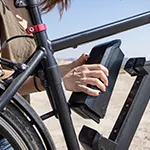
Optimizing battery capacity and range
High-density lithium-ion cells store energy efficiently, offering extended autonomy depending on terrain gradients and assistance modes.
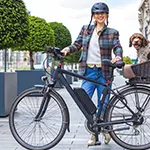
Choosing the right frame geometry
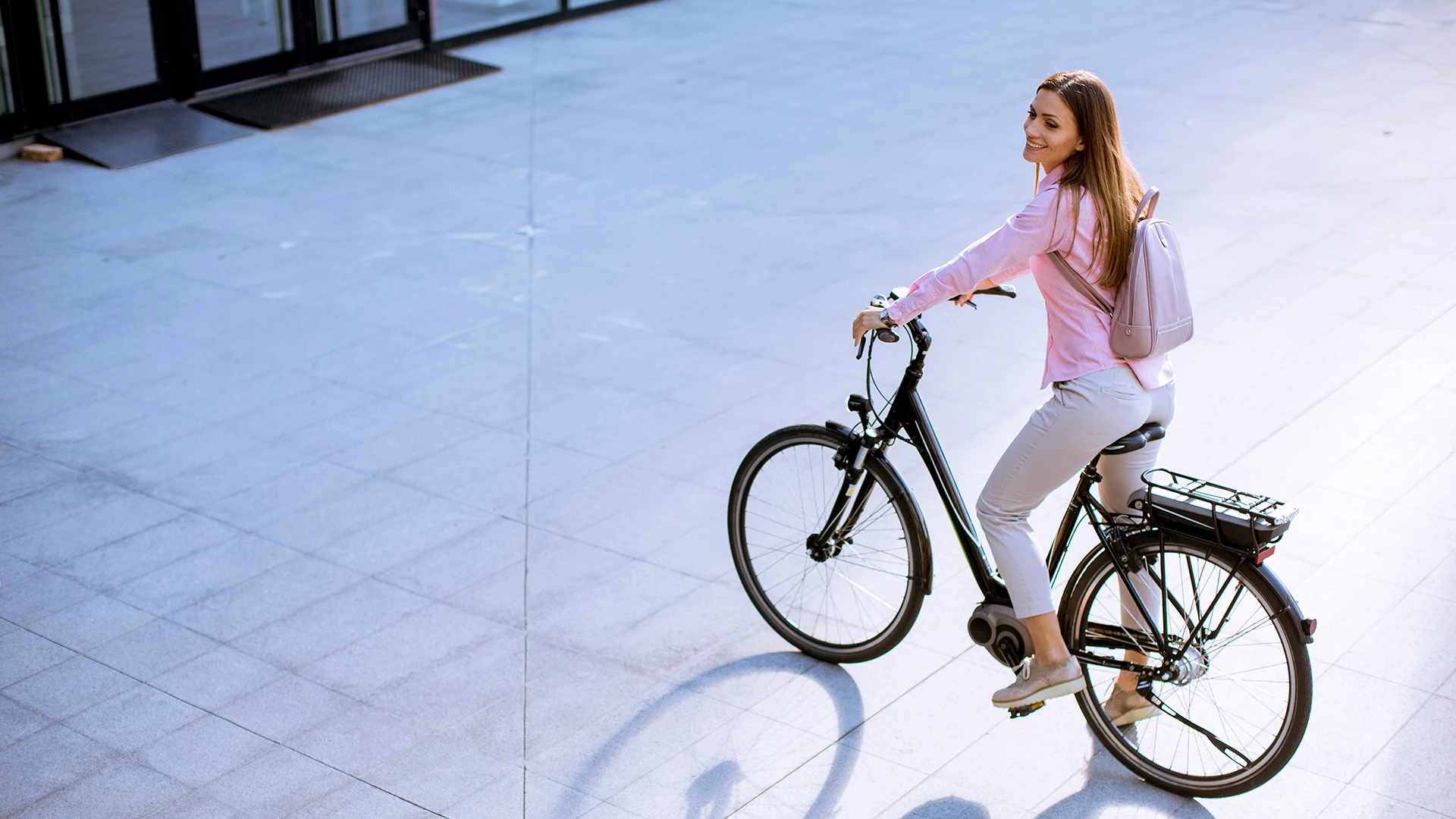
Low-step frames prioritize accessibility for urban cyclists, while diamond geometries offer rigidity for sporting performance.
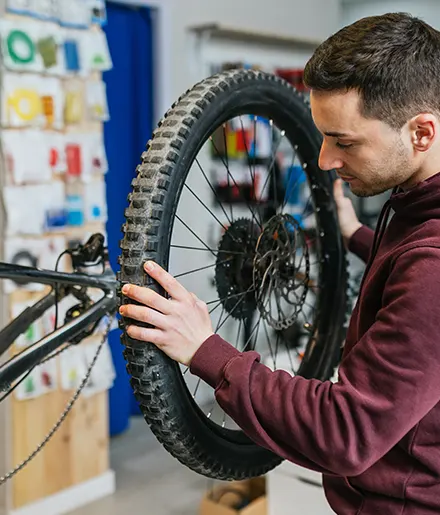
Preventive mechanical care
Protocols for battery longevity and system health
Maintaining peak e-bike condition demands attention to electrical components. Contact cleaning prevents corrosion, while firmware updates optimize motor efficiency. Storing the power pack at ambient temperature during winter preserves chemical integrity.
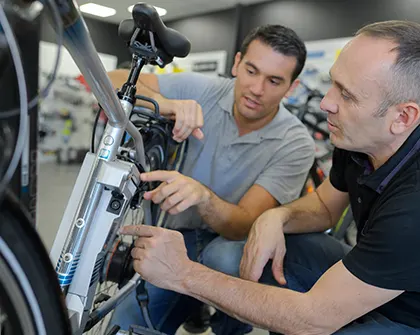
High motor torque accelerates chain wear, requiring users to monitor link stretch and apply lubricants for high-stress drivetrains. Hydraulic disc brakes require inspection, as stopping heavy cycles degrades brake pads. Maintaining optimal tire pressure maximizes battery autonomy and prevents rim damage. Verifying waterproof seals protects sensitive electronics from moisture during all-weather rides.
Safety equipment and utility gear
Equipping the rider for daily urban commuting

High-visibility helmets with integrated lighting improve safety during evening transits. Sold Secure locks, rated for e-bikes, deter theft in urban environments. Waterproof panniers on reinforced racks transport laptops without affecting balance. Puncture-resistant tires reduce delays, while smartphone mounts enable GPS navigation for new routes. Investing in breathable rain gear and protective apparel ensures year-round usability regardless of adverse weather conditions.

Exploring beyond the city limits
Planning long-distance e-bike touring adventures
Managing battery range on diverse terrain
Calculating distances between charging stations prevents power loss in remote areas. Elevation gains consume battery capacity significantly faster than flat gradients.
Handling weight distribution on off-road trails
Heavier frames require adjusted riding techniques on technical descents. Suspension preload must account for the additional motor mass.
Transporting the e-bike by vehicle
Tow-hitch racks are necessary to support the substantial weight of electric cycles. Removing the battery pack reduces load during transport.
Eco-friendly mobility
Reducing the carbon footprint of transport
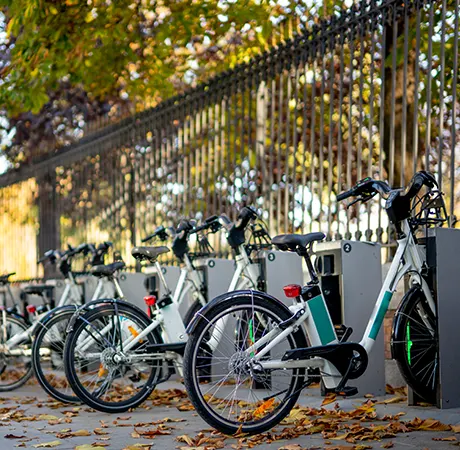
Replacing car trips with e-bike commutes drastically lowers carbon emissions in urban centers. Manufacturing impacts are offset after minimal replaced automotive travel. Silent motors also contribute to reducing noise pollution in densely populated residential neighborhoods.
Public transport integration
Multimodal car sharing
Electric mobility ecosystem
Sustainable mobility goals
Cycling and mental well-being
Cycling for fitness and vitality
Regular cycling delivers extensive benefits for body and mind. Physically, it strengthens cardiovascular health and leg muscles, improves aerobic endurance, and contributes to weight management and vitality. Psychologically, cycling stimulates endorphin release, reducing stress, and allows exposure to fresh air, boosting mental well-being. By incorporating active mobility into a daily routine, even via short rides, users combine physical exercise, relaxation, and enjoyment, while adopting a more active balanced lifestyle favored by health practitioners.