Accessories and equipment
Beyond the bicycle itself, the world of cycling accessories and equipment opens up a vast landscape of products designed to enhance safety, comfort, performance, and convenience. Whether you’re commuting to work, exploring weekend trails, or training for competitive events, the right accessories can transform your riding experience from basic transportation to an optimized, enjoyable activity. Understanding which accessories truly matter and how they contribute to your cycling journey is essential for making informed decisions that match your specific needs and riding style.
This comprehensive resource explores the fundamental categories of cycling accessories and equipment, from critical safety gear that protects you on every ride to specialized tools that keep your bike running smoothly. You’ll discover how different accessories serve distinct purposes, learn to identify what’s essential versus optional for your situation, and gain the knowledge needed to build a collection of equipment that genuinely enhances your time on two wheels.
Why Safety Accessories Are Non-Negotiable
Safety equipment represents the foundation of any cyclist’s gear collection, serving as your first line of defense against injury. These accessories aren’t luxuries or optional extras—they’re essential investments in your well-being that can make the difference between a minor incident and a serious accident.
Head Protection and Visibility Gear
A properly fitted helmet reduces the risk of head injury by up to 70% according to safety research, making it the single most important accessory you’ll ever purchase. Modern helmets incorporate advanced materials like EPS foam and polycarbonate shells that absorb impact energy while remaining lightweight and ventilated. Look for certifications that verify safety standards, and remember that helmets should be replaced every 3-5 years or immediately after any significant impact, even if no visible damage appears.
Visibility accessories extend your safety beyond physical protection to ensuring other road users can see you. Front lights, rear lights, and reflective elements become particularly crucial during dawn, dusk, or nighttime riding. Quality lighting systems now offer multiple brightness modes, with front lights typically ranging from 200 to 1000+ lumens depending on your riding environment—urban commuters may need less intensity than those tackling unlit rural roads.
Protective Clothing and Eyewear
Cycling-specific gloves provide more than comfort; they protect your palms during falls and prevent numbness from prolonged handlebar pressure. Meanwhile, cycling eyewear shields your eyes from wind, debris, insects, and harmful UV rays while improving visual clarity in varying light conditions. Many riders underestimate how a small stone flicked up by a tire can cause serious eye injury—protective glasses transform this risk into a non-issue.
Performance and Comfort Equipment That Enhances Your Ride
Once safety is addressed, performance and comfort accessories allow you to ride longer, faster, and more enjoyably. These items reduce fatigue, prevent common cycling discomfort, and help you maintain energy throughout your journey.
Cycling Apparel Designed for Movement
Purpose-built cycling clothing differs fundamentally from regular athletic wear. Padded shorts (or bib shorts) contain chamois padding that cushions your contact points and reduces friction, preventing saddle sores on longer rides. The material wicks moisture away from your skin, maintaining comfort across varying temperatures and effort levels. Similarly, cycling jerseys feature rear pockets positioned perfectly for accessing snacks, tools, or phones while riding, plus longer backs that prevent gaps when you’re leaned forward in riding position.
Footwear and Pedal Systems
Cycling shoes paired with clipless pedals create a connection that dramatically improves pedaling efficiency by allowing you to pull up on the pedal stroke, not just push down. This circular pedaling motion engages more muscle groups and can increase your power output by 10-15%. For casual riders, this system might seem intimidating, but modern designs include easy release mechanisms and adjustable tension. Alternatively, platform pedals with good grip offer security for urban riding and casual cycling without the learning curve.
Essential Maintenance Tools and Repair Accessories
Mechanical reliability depends on regular maintenance and the ability to handle roadside repairs. Carrying basic tools and understanding their use prevents minor issues from ending your ride prematurely.
A well-equipped cyclist carries a multi-tool containing hex keys, screwdrivers, and a chain breaker—essentially a Swiss Army knife for bicycles. Paired with tire levers, a spare tube, and a portable pump or CO2 inflator, these items address the most common mechanical failures. Flat tires account for approximately 80% of mid-ride mechanical issues, making puncture repair capability absolutely essential for rides beyond walking distance from home.
For home maintenance, a basic toolkit expands to include a floor pump with pressure gauge, chain lubricant, cleaning supplies, and specific tools like a chain wear indicator or cassette removal tool. Regular cleaning and lubrication can extend component life by 50% or more, representing significant savings compared to premature replacement costs. Think of maintenance accessories as insurance policies—the upfront investment prevents much larger expenses down the road.
Storage and Carrying Solutions for Every Journey Type
How you carry items while cycling affects both comfort and bike handling. The right storage solution depends on your typical ride duration, purpose, and cargo needs.
Bags, Racks, and Mounting Systems
For commuters, panniers (bags that attach to rear or front racks) offer substantial carrying capacity without compromising bike balance or creating back sweat from backpacks. These systems can transport laptops, groceries, or weekend gear while keeping weight low and centered on the bike. Alternatively, saddle bags and frame bags provide storage without requiring rack installation, appealing to riders who prefer a minimalist setup or ride bikes incompatible with traditional racks.
Hydration Systems
Proper hydration fundamentally impacts performance and safety, yet many riders underestimate their fluid needs. Standard water bottle cages mount to the frame and provide easy access to hydration without stopping. On longer rides or in hot conditions, carrying two bottles becomes necessary—studies show that even 2% dehydration can reduce performance by up to 10%. For extended adventures, hydration packs offer larger capacity plus additional storage, though they add weight to your back rather than the bike.
Technology and Navigation Accessories
Modern cycling increasingly incorporates technology that tracks performance, provides navigation, and enhances the overall riding experience. These accessories range from simple and affordable to sophisticated and expensive, with options for every interest level.
Bike computers and GPS devices record data like distance, speed, elevation, and heart rate, transforming abstract effort into measurable metrics. For goal-oriented riders, this information enables training optimization and progress tracking. Entry-level computers simply display speed and distance, while advanced GPS units offer turn-by-turn navigation, mapping capabilities, and connectivity with smartphones and sensors. Even smartphone apps paired with a secure handlebar mount can provide similar functionality at minimal cost, though dedicated devices typically offer better battery life and weather resistance.
Consider what you’ll actually use before investing in technology. A rider focused on fitness improvement benefits from heart rate monitors and power meters, while someone exploring new routes prioritizes navigation features. The best accessory is one that aligns with your specific goals and gets used regularly, not the most feature-rich option gathering dust at home.
Weather Protection and Seasonal Gear
Climate conditions dramatically affect cycling comfort and safety, making weather-appropriate accessories essential for year-round riding. The key principle is layering—combining multiple adaptable pieces rather than relying on single heavy garments.
Rain jackets designed for cycling feature waterproof-breathable fabrics that prevent external moisture while allowing perspiration to escape. They include longer backs, reflective elements, and ventilation systems that prevent the greenhouse effect common in basic rain gear. For cold weather, thermal layers, leg warmers, and full-fingered gloves extend your comfortable riding season by months. Interestingly, many riders discover that staying warm enough but not overheated requires less clothing than expected—your body generates significant heat during moderate effort, and overdressing leads to excessive sweating that actually increases chill when you stop.
Weather accessories also include fenders (mudguards) that protect you and your bike from spray on wet roads, vastly improving comfort during and after rainy rides. These simple additions keep your drivetrain cleaner and reduce maintenance needs, demonstrating how the right accessory creates multiple benefits simultaneously.
Choosing Accessories That Match Your Cycling Reality
The cycling industry offers thousands of accessories, creating both opportunity and overwhelm. The most successful approach focuses on your actual riding patterns rather than aspirational scenarios. An honest assessment of your typical rides reveals which accessories deliver genuine value.
Start with safety essentials—helmet, lights, and basic visibility gear—as these apply universally regardless of riding style. Next, address your most common comfort issues: if you experience hand numbness, prioritize gloves and handlebar tape; if saddle discomfort limits your rides, invest in quality shorts and potentially a professional bike fit. Build your collection gradually, allowing each addition to prove its worth before expanding further.
Remember that expensive doesn’t always mean better for your specific needs. A $50 rain jacket worn regularly provides more value than a $300 aerodynamic helmet used twice yearly. Quality matters, but appropriate selection matters more. Read reviews from riders with similar use cases, test gear when possible, and recognize that your accessory needs will evolve as your cycling develops—what serves you perfectly today might need upgrading or replacing as your skills and ambitions grow.
Building the right collection of cycling accessories and equipment is an ongoing journey that mirrors your development as a rider. By understanding the purpose and value of different accessory categories, you can make informed decisions that enhance safety, increase comfort, and amplify the joy of cycling. Start with essentials, expand thoughtfully, and remember that the best accessories are those you’ll actually use—not those gathering dust while you ride.

Beyond Gore-Tex: A Material Science Guide to Staying Dry from Rain and Sweat on Your E-Bike
Contrary to popular belief, the most expensive ‘breathable’ jacket is not the guaranteed solution to arriving soaked in sweat after an e-bike commute in the rain. High-tech membranes like Gore-Tex lose their breathability when the outside temperature is warm and…
Read more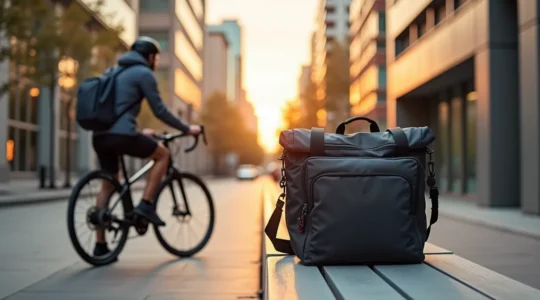
Backpack vs Panniers: Which Carry Method Protects Your Laptop and Posture?
The choice between a backpack and panniers isn’t just about comfort; it’s about engineering a ride that biomechanically separates your spine from the load and your laptop from road shock. Panniers create a balanced, low-center-of-gravity system that preserves your bike’s…
Read more
Gold vs. Diamond: What a Pro Thief Knows About Stealing Your $3,000 E-Bike
Relying solely on a Gold-rated lock for a high-value e-bike is a rookie mistake; a professional thief sees it as a minor delay, not a genuine obstacle. Thieves calculate risk based on the tools and time required to defeat a…
Read more
Beyond the Standard Shell: Are Smart Helmets With Lights Worth the Extra Weight?
Smart helmets promise a future of integrated, high-tech safety, but their real-world effectiveness is not guaranteed by a list of electronic features alone. The significant added weight of many smart models can create a “biomechanical penalty,” causing neck strain that…
Read more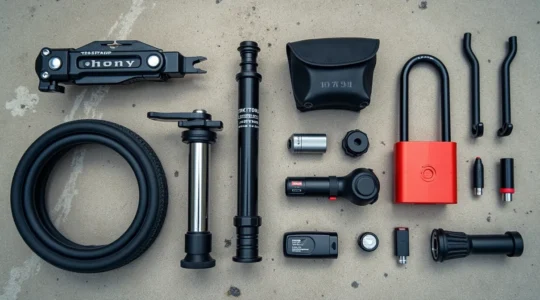
The Essential Emergency Kit: What to Carry for Commutes Under 10 Miles?
The common advice to carry a generic, pre-made bike kit is a critical mistake for the modern urban e-bike commuter. Your kit must be custom-built around the specific fasteners (like T25 Torx) and high-volume tires of your e-bike. Success is…
Read more
Preventing Back Pain: Selecting the Right Frame Geometry for Long Commutes
Contrary to popular belief, an upright posture is not the cure for cycling-related back pain; it often increases spinal compression. A balanced, slight forward lean distributes weight between your sit bones and hands, decompressing the spine and improving control. Frame…
Read more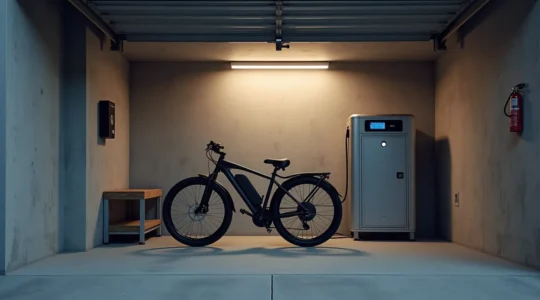
Preventing Thermal Runaway: Safety Protocols for High-Density E-Bike Batteries
Managing e-bike battery safety is not about following a simple checklist; it’s about operating a high-energy system with an engineering mindset, understanding that cell quality, charging environment, and user handling are inextricably linked. Generic batteries lack critical internal safety mechanisms…
Read more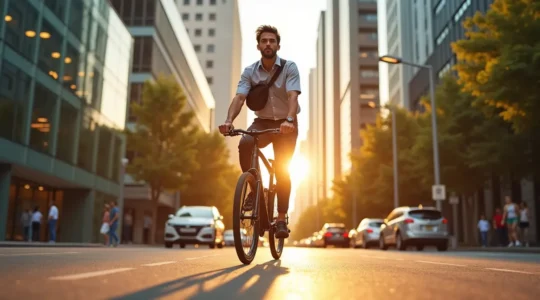
Why Torque Sensors Justify the Extra Cost for Serious Commuters?
A torque sensor’s higher cost is justified not by the feature itself, but by its transformation of the e-bike into a truly symbiotic extension of the rider’s body. It delivers intelligent power modulation that enhances control, extends battery range, and…
Read more